Preparing a Trinity Home for Junk Removal
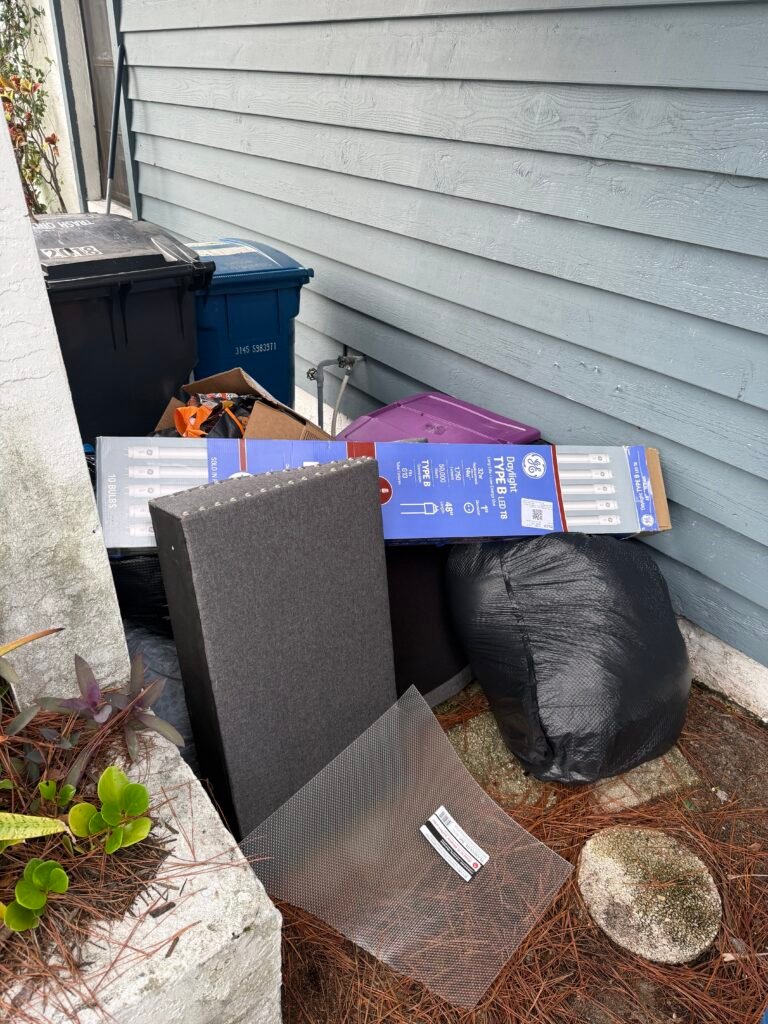
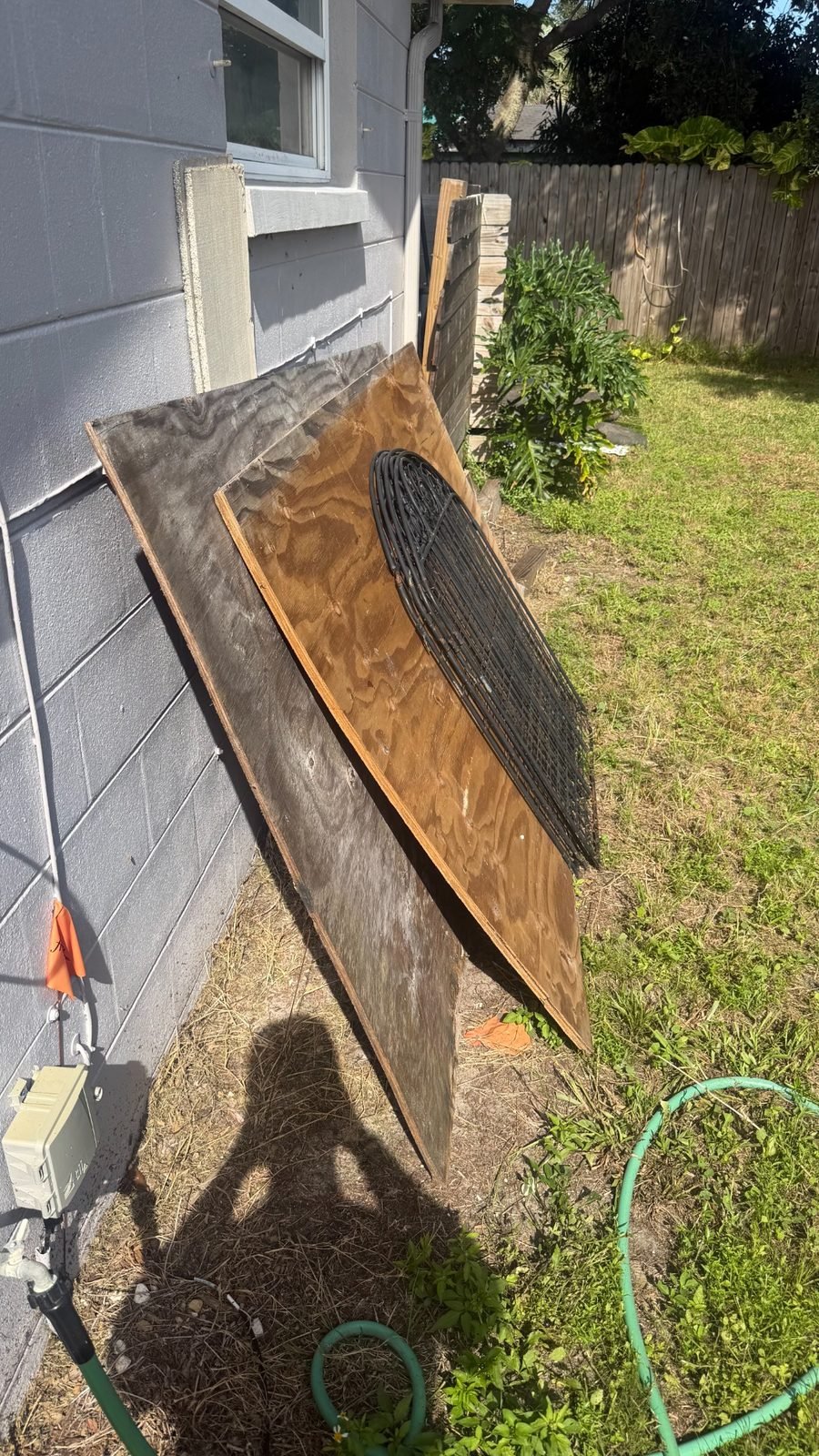
Before the crew arrives, identify the furniture, appliances, boxes, garage contents, outdoor items, or debris approved for removal. Keep valuables, documents, medication, keys, and items that must stay outside the work zone. For an estate or vacant property, the executor, owner, Realtor, property manager, or other authorized representative should confirm access and the person who may approve a change.
HOA, Gate, Driveway, and Carrying Access
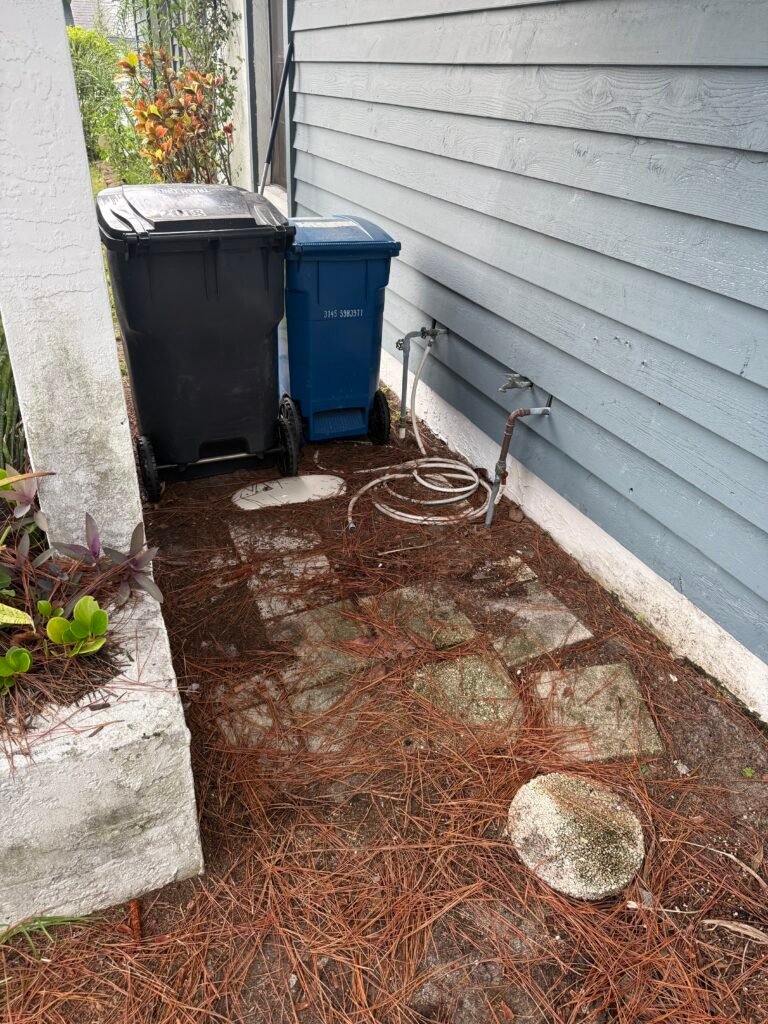
Trinity properties may require gate instructions, approved work hours, parking coordination, or careful planning around brick pavers, finished concrete, landscaping, garage coatings, and parked vehicles. Tell us about stairs, narrow hallways, long carrying distances, heavy items, or anything requiring disassembly. We choose the loading route and equipment around the actual property conditions.
Estimate and Service Selection
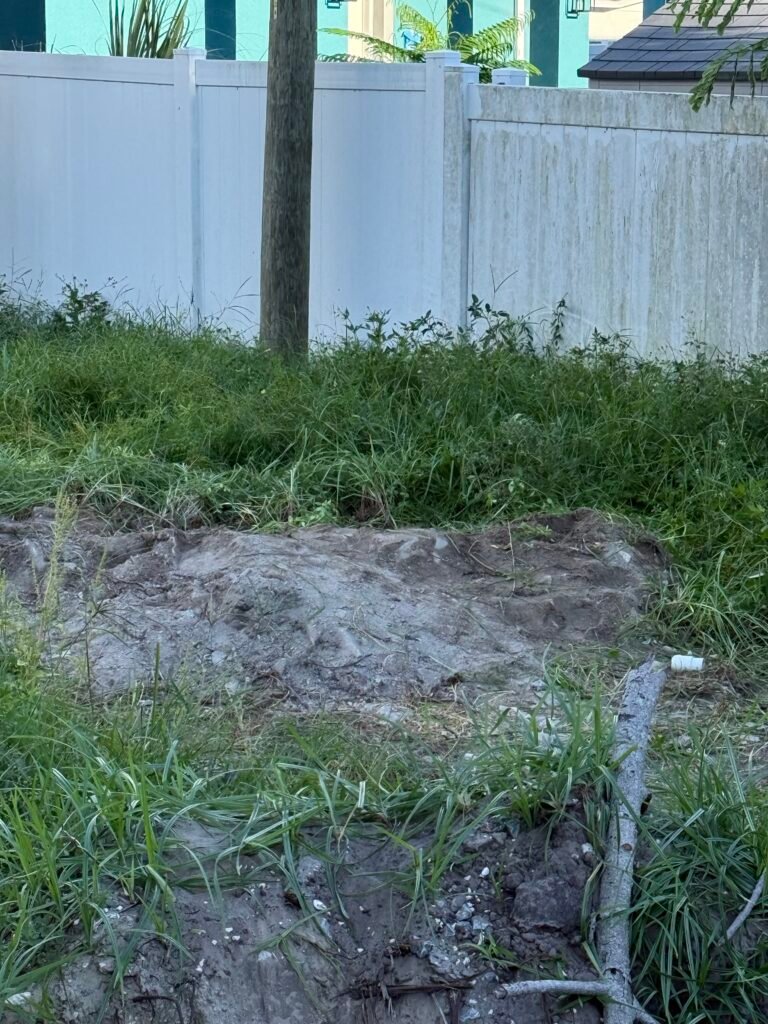
Photos can help us review volume and access before scheduling. Pricing depends on material volume, weight, labor, carrying distance, special handling, and disposal requirements. We confirm the approved scope and price before loading. Choose full-service removal when our crew should carry and load the material, or ask whether a rubber-wheel dump trailer is appropriate when you plan to load accepted material yourself.
For inherited homes, multi-room projects, or authorized vacant-property work, review our estate and property cleanout service and identify protected items before the job begins.
For an ongoing remodel or contractor cleanup, describe approved renovation debris and yard material separately, including concrete, tile, soil or other dense loads. Our home renovation cleanup guide explains where hauling fits into project planning. Businesses should also share loading-dock access, parking and work-hour restrictions.